


Blog
Data engineering, finance and AI. Practical writing on Power BI, Microsoft Fabric and automation.
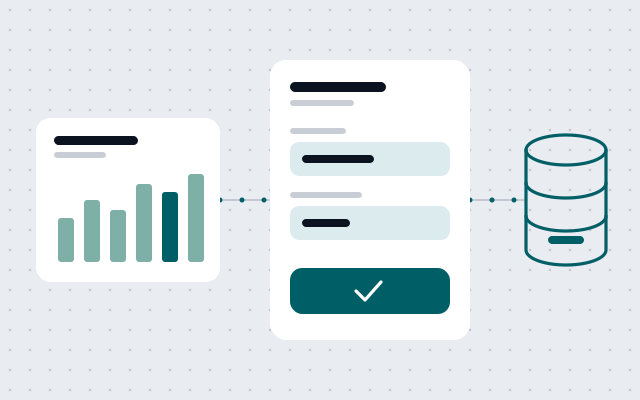
Fabric Apps Get a Backend: The Last Mile of a Finance Workflow
Fabric Apps now have functions, storage, PostgreSQL and connectors that query semantic models with DAX. What that changes for write-back in finance.
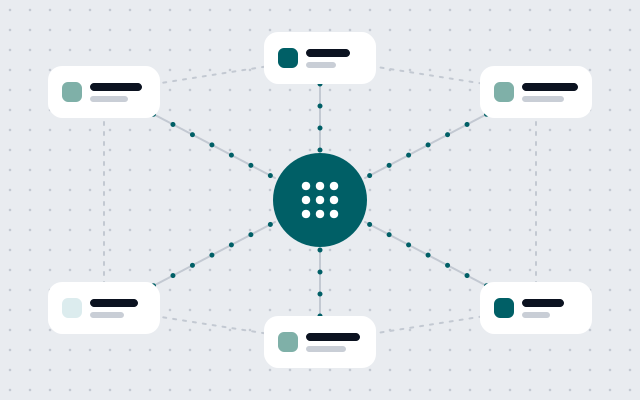
Fabric Ontology and Data Agents: Where Business Meaning Should Live
Fabric data agents can now use an ontology as context. A practical split between semantic model, ontology, Topics and agent instructions for finance.
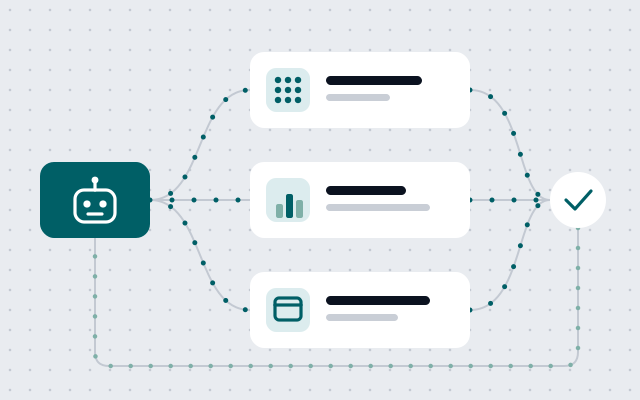
Power BI Desktop Bridge and Authoring MCP: How the Agent Loop Works
Power BI's agent tooling is three parts: an MCP server for the model, PBIR files for the report, and a Desktop Bridge to check the result. A map.
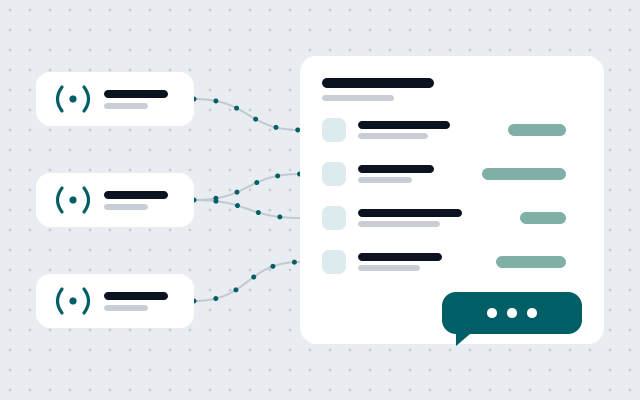
Copilot-Ready Power BI: Why DAX UDFs Now Matter
M365 Copilot now writes DAX against your semantic model. Table-valued DAX UDFs, documented in AI Instructions, are what keep its answers consistent.
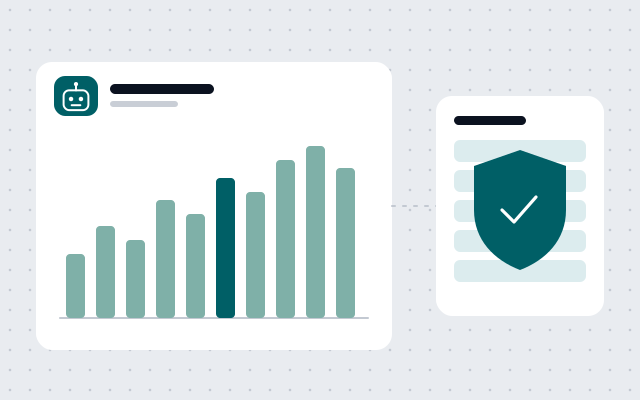
Agent-Authored Power BI Reports: What to Delegate, What to Guard
Power BI's new agent skills write PBIR files, reload Desktop and iterate from screenshots. Where the delegation line sits for a finance BI team.
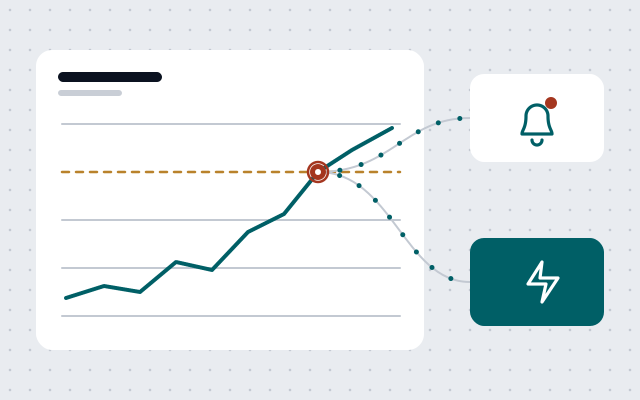
From Dashboard-Watching to Event-Driven Finance: Activator Now Publishes Business Events
Fabric Activator can now emit governed, persistent Business Events. Why that matters for finance teams whose KPI monitoring is still a staring contest.
When the Agent Builds the Model: Governing Agentic Analytics in Power BI and Fabric
Agent Skills and Fabric Apps turn models, reports and apps into agent-written code. What ties out, who reviews the diff, and who owns the app.
Dataflow Gen2 Benchmarks: What They Actually Mean for Your Fabric Bill
Microsoft's Gen1 vs Gen2 benchmarks show refreshes dropping from hours to minutes. The real story is what runtime now does to your CU consumption.
Graph in Fabric: When Relationships Beat the Star Schema
Graph in Fabric is GA: GQL queries straight on OneLake, no extra ETL. Where path-shaped finance questions outgrow the star schema and what to pilot first.
Trustworthy AI in Finance Data Pipelines: A Control Playbook Against Hallucinations
A hallucinating LLM step fails silently. Mapping RAG grounding, output schemas, and stepwise validation onto the controls finance already runs.
The Case for Integrating n8n with Power BI for Enhanced Data Efficiency
Power BI's April 2026 update improves Copilot, visuals and Direct Lake modeling. The real efficiency gains in finance still come from orchestrating upstream.
Service Principal Integration in Fabric: Key Developments for Data Agents in 2026
Fabric data agents now accept service principal authentication in preview. What that fixes for production deployments, and the access question it raises.
5 Insights on Configurable Data Retention in Microsoft Fabric
Fabric Warehouse history is now configurable from 1 to 120 days per warehouse. Five lessons on treating that retention window as a finance-grade control.
The Case for Eventhouse Integration in Modern Data Strategies
Fabric's Eventhouse now runs anomaly detection, data agents, SQL and notebooks on live event data. Why that consolidation matters for finance teams.
Lessons Learned from Third-Party Integration Efforts in Power BI
Microsoft says Power BI won't be made to work with third-party semantic models. The technical reasons are a lesson in where finance metric logic belongs.
4 Lessons for Using AI Functions in Microsoft Fabric Data Warehouse
Fabric Data Warehouse now runs ai_extract, ai_classify and custom prompts straight from T-SQL. Four lessons before you point them at finance text.
5 Predictions About the Future of Data Management with Apache Airflow That'll Shock You
Fabric Data Factory's Airflow jobs now run dbt and copy jobs, with new APIs to trigger DAG runs. Five predictions on where orchestration goes from here.
The Hidden Truth About Generating Excel Reports That Every Data Analyst Needs to Know
Fabric Dataflows Gen2 can now write formatted Excel workbooks (titles, tables, charts) straight to a lakehouse. What that means for month-end reporting.
What No One Tells You About Managing Capacity Overage in Microsoft Fabric
Fabric's new capacity overage swaps throttling for a 3x metered bill. Where the limits, monitoring and spend ownership should sit before you opt in.